

Under the FDA label indicates Zepbound is intended for adults classified as obese by BMI, or overweight with at least one weight-related health condition. U.S. telehealth clinicians apply these same thresholds when deciding whether to prescribe Zepbound out-of-pocket, alongside standard safety screening for pregnancy, thyroid history, and other contraindications.
TL;DR:
- Telehealth providers require verification of recent, calibrated weight and height, along with medical documentation, before prescribing Zepbound based on BMI thresholds.
- Patients with a BMI between 27 and 29.9 may qualify if they have documented weight-related conditions like diabetes or hypertension.
- Screening for contraindications such as thyroid cancer history, pregnancy, or hypersensitivity is mandatory, with follow-up visits to monitor safety during treatment.
- Prescribing must be done by clinicians licensed in the patient’s state, and choosing FDA-approved Zepbound over compounded products significantly reduces safety risks.
- Out-of-pocket costs typically start around $159 for injections, with clear pricing and structured follow-up built into telehealth plans.
Table of Contents
- What the FDA label actually requires
- How telehealth providers verify BMI and medical eligibility
- Contraindications and safety checks before a prescription
- What to expect during the telehealth assessment
- Publisher perspective: safe access through evidence-based telehealth
- Starting your Zepbound intake with Legacy Meds
- Sources
- FAQ
What the FDA label actually requires
The FDA label sets the bar in two ways. An adult qualifies with a BMI of 30 or higher on its own, which counts as obesity by clinical standards. An adult with a BMI of 27 or higher can also qualify, but only when paired with at least one weight-related condition. The label ties Zepbound’s approval to these BMI thresholds, and clinical trials backing the drug’s approval enrolled adults with average baseline BMIs in the mid-to-high 30s, showing meaningful weight reduction compared with placebo across different starting BMI levels.
Common qualifying conditions under the lower threshold include:
- High blood pressure (hypertension)
- Abnormal cholesterol or lipid levels (dyslipidemia)
- Type 2 diabetes
- Obstructive sleep apnea
- Cardiovascular disease
Zepbound’s approval is based on obesity-class BMI or overweight with a qualifying condition, per the FDA prescribing information. This distinction is important for those in the overweight BMI range, where documented comorbidities may allow eligibility.
The label restricts the indication to adults. Zepbound is also meant to work alongside a reduced-calorie diet and increased physical activity, not as a standalone fix. For a broader walkthrough of how clinicians apply these thresholds during intake, see our guide to getting a Zepbound prescription.
How telehealth providers verify BMI and medical eligibility
Telehealth intake almost always starts with self-reported height and weight, but reputable providers rarely stop there. Because BMI drives the entire eligibility decision, most services ask for some form of verification beyond a typed number on a form.
- Complete an online intake form covering height, weight, medical history, current medications, and any diagnosed comorbidities.
- Upload supporting documentation, which may include a recent clinic vitals sheet, lab results, or a photo of a scale reading.
- Attend at least one synchronous visit, whether by video or phone, so a clinician can confirm critical safety details even when the rest of the process is asynchronous.
- Provide a pregnancy test result when clinically relevant, along with confirmation of any comorbid diagnosis that supports the lower BMI threshold.
- Have your state licensure checked, since a provider can only prescribe to you if they are licensed in the state where you are physically located.
HHS telehealth guidance recommends that clinicians combine clinical judgment with requested documentation rather than relying solely on what a patient types into a form, which is why many services build a live visit into the process even when most steps happen asynchronously.
Pro Tip: Keep a recent weight measurement, taken within the last few months at a clinic or on a calibrated home scale, ready to upload before you start intake.
Contraindications and safety checks before a prescription
Meeting the BMI threshold is only half the picture. Clinicians screen for conditions that make Zepbound unsafe regardless of how a person’s weight measures up.
- A personal or family history of medullary thyroid carcinoma (MTC) or Multiple Endocrine Neoplasia syndrome type 2 (MEN 2) rules out use entirely.
- Pregnancy is a contraindication, which is why some telehealth intakes include a pregnancy test.
- A known hypersensitivity to tirzepatide or any component of Zepbound disqualifies a patient.
- Clinicians watch for signs of pancreatitis and gallbladder disease during treatment and may pause or stop the medication if symptoms appear.
U.S. telehealth best practices call for follow-up visits at 2 to 4 weeks after starting treatment and again at each dose increase, according to HHS clinical standards, specifically to catch gastrointestinal side effects, gallbladder symptoms, and early pancreatitis warning signs.
Separately, the FDA has issued public alerts warning that unapproved or compounded tirzepatide sold online is not equivalent to FDA-approved Zepbound and can carry serious safety and quality risks. Regulatory action against firms marketing these products remains an active enforcement area, so choosing a provider who prescribes the approved, brand-name medication matters as much as meeting the BMI criteria. For more on that distinction, see our breakdown of compounded tirzepatide safety.

What to expect during the telehealth assessment
The path from intake to a filled prescription generally follows a predictable sequence, though timing varies by provider and how quickly you respond to requests for information.
- Submit your intake form with height, weight, medical history, and current medications.
- A clinician reviews your submission for BMI eligibility, comorbidities, and any red flags in your history.
- You attend a synchronous visit if the provider requires one, where the clinician confirms details and answers questions.
- The clinician makes a prescribing decision based on BMI, safety screening, and any interacting medications or undiagnosed conditions.
- The pharmacy fills and ships the prescription, often alongside dosage and storage instructions.
Beyond BMI, clinicians typically check for medication interactions, diabetes status, and pregnancy before finalizing a decision. Out-of-pocket telehealth billing works differently from insurance: you agree to a clear price upfront, consent to the terms of virtual care, and can generally cancel before your next shipment. Our Zepbound dosage schedule guide covers what happens after your first prescription arrives.
Pro Tip: Before you enroll, ask directly which state your prescribing clinician is licensed in, how often follow-ups happen, and who to contact if you have a reaction between visits.
Publisher perspective: safe access through evidence-based telehealth
Zepbound’s BMI rules are not a formality, they are the clinical guardrail that keeps prescribing tied to actual health need rather than a number a patient wants to hit. The bigger risk in this space is not the threshold itself but the temptation to skip verification and buy compounded versions from services that never confirm eligibility at all. Legacy Meds builds its process around licensed clinicians, documented follow-up, and clear pricing rather than shortcuts.
— Bryan
Starting your Zepbound intake with Legacy Meds
Some telehealth providers run their intake as this article describes: licensed providers review BMI and history, follow-up visits are built into the plan, and pricing is disclosed before commitment. Certain services offer provider visits and support without membership fees or insurance requirements.
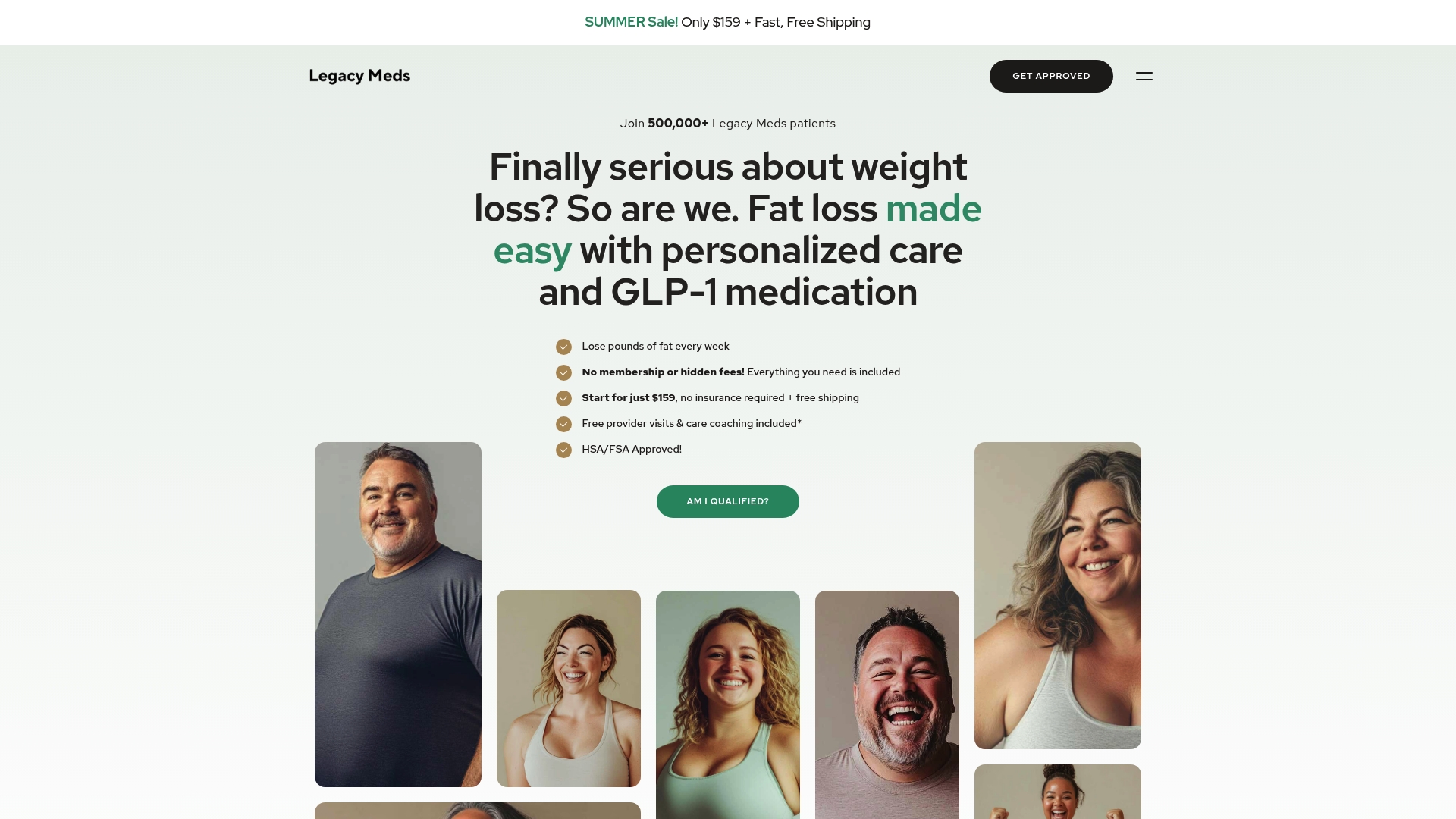
- Licensed clinicians confirm BMI eligibility and screen for contraindications before prescribing.
- Pricing is disclosed upfront, with the Zepbound® Injection plan available alongside GLP-1 tablets and injections.
- Dosage schedules and storage guidance are provided once your prescription ships, covered further in our injection site guide.
| Plan | Starting price |
|---|---|
| GLP-1 Injections | $159 one-off |
| GLP-1 Tablets | $249 one-off |
| Semaglutide program | $159 per month |
Start your intake on the Legacy Meds landing page to see whether you meet the BMI and health criteria for a Zepbound prescription, and browse the full blog for dosage and travel guidance once you’re enrolled.
Sources
- ZEPBOUND (tirzepatide) prescribing information — FDA label (2026)
- Telehealth
- FDA public health alerts — concerns about unapproved GLP-1 drugs
This article is general information, not a substitute for advice from a qualified doctor. Consult a qualified healthcare professional about your own circumstances before acting on anything here.
FAQ
What BMI do I need to qualify for Zepbound?
You generally need a BMI of 30 or higher, or 27 or higher with a weight-related condition such as type 2 diabetes or hypertension. This is the standard set by the FDA label and applied by telehealth clinicians during intake.
Can I get Zepbound through telehealth without insurance?
Yes, out-of-pocket telehealth providers can prescribe Zepbound after confirming your BMI and screening for contraindications, with no insurance required. Legacy Meds offers this path through plans that include free provider visits and transparent pricing.
What if my BMI is between 27 and 29.9?
You may still qualify if you have a documented weight-related condition like sleep apnea, dyslipidemia, or cardiovascular disease. Telehealth clinicians will ask about these conditions specifically during your intake to determine eligibility under the FDA’s lower BMI threshold.
Is compounded tirzepatide the same as Zepbound?
No, compounded tirzepatide is not FDA-approved and is not equivalent to brand-name Zepbound. The FDA has warned that these products carry safety and quality risks that approved medications do not.
How long does telehealth approval for Zepbound take?
Timing depends on how quickly you complete intake and any requested visit, but the process typically moves from submission to a prescribing decision within a matter of days once your documentation is complete. Providers following HHS best practices build in a synchronous visit before finalizing that decision.