

No GLP-1 drug carries an FDA approval specifically for prediabetes, so any prescription for this purpose relies on weight-management or off-label pathways under a clinician’s supervision. Benefits concentrate in people with overweight or obesity and A1C at the higher end of the prediabetes range, and pairing medication with lifestyle change still matters.
TL;DR:
- Most GLP-1 drugs are prescribed off-label for prediabetes, primarily benefiting individuals with overweight or obesity and high-normal A1C levels.
- The strongest evidence shows these medications can significantly increase reversion to normal glucose levels, especially with continued treatment beyond 20 weeks.
- Gastrointestinal side effects are common early on, but slower dose escalation can improve tolerability, while weight loss risks include gallbladder issues and rare pancreatitis cases.
- Insurance coverage mainly depends on BMI and comorbidities, with weight-management approval requiring a BMI of 30+ or 27+ with prediabetes; off-label use is usually out-of-pocket.
- Access options include primary care, specialists, or telehealth, with program costs starting around $159 per month, supported by ongoing provider assessment and coaching.
Table of Contents
- How Does GLP-1 Affect Prediabetes? The Evidence Behind the Numbers
- What Side Effects Should You Expect From GLP-1 Therapy?
- Are GLP-1 Drugs FDA-Approved for Prediabetes?
- Who With Prediabetes Is Most Likely to Benefit?
- How Do You Get GLP-1 Medication and What Does It Cost?
- What Should You Ask Your Doctor About GLP-1s?
- How Legacymeds Approaches GLP-1 Therapy for Prediabetes
- What the Data Actually Tells You to Prioritize
- Ready to Talk to a Provider About GLP-1 Options?
- Sources
- FAQ
How Does GLP-1 Affect Prediabetes? The Evidence Behind the Numbers
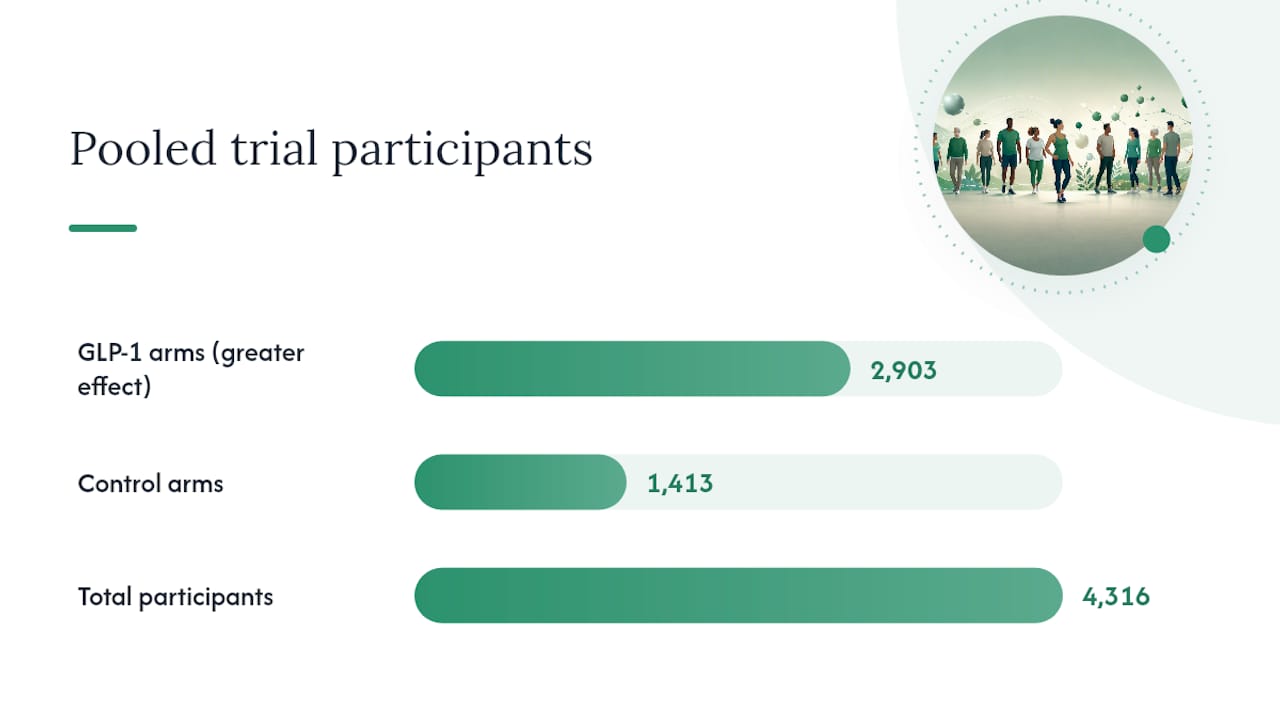
The strongest data point comes from a 2024 systematic review and meta-analysis of randomized controlled trials, which pooled 12 trials covering 2,903 patients on a GLP-1 receptor agonist against 1,413 controls. Those are pooled averages across trials of different drugs, doses, and durations, but the direction is consistent: GLP-1 receptor agonists change the trajectory of prediabetes more than lifestyle counseling alone typically does.
Semaglutide 2.4 mg, the dose sold under the Wegovy brand, has the deepest bench of prediabetes-specific data. Pooled STEP program analyses followed participants who had prediabetes at baseline through 68 weeks of treatment.
Tirzepatide, the dual GIP/GLP-1 agonist behind Zepbound, shows a similar or even stronger signal in some analyses of people with obesity and prediabetes, though head-to-head trials against semaglutide in this specific population remain limited. Treat tirzepatide’s prediabetes numbers as promising but less mature than the semaglutide data until more comparative trials publish.
Here’s how the major evidence sources stack up:
Three caveats deserve equal weight to the headline numbers. First, most trial participants had overweight or obesity, so these effect sizes may not generalize cleanly to a lean person with mildly elevated A1C. Second, glycemic improvements were largely measured while patients remained on active therapy. Some trials, including STEP extensions, observed glucose measures drifting back toward baseline after treatment stopped, which means durability off-drug is still an open question. Third, the trials pooled in the meta-analysis varied in quality, dose, and follow-up length, so the pooled risk ratios are a useful summary, not a guarantee for any individual case.
A few practical takeaways for interpreting this evidence:
- The reversion and prevention effects are real and reproducible across multiple trials, not a single outlier study.
- Weight loss explains a meaningful share of the glycemic benefit, but GLP-1 receptor agonists and prediabetes management also benefit from direct effects on insulin secretion and liver glucose output, independent of pounds lost.
- If you’re comparing semaglutide against tirzepatide for your own situation, the mechanisms and expected outcomes differ enough to discuss with a provider before choosing between them.
- Most meaningful glycemic shifts in STEP data showed up between weeks 20 and 68, not in the first month, which matters for setting expectations about how soon results actually appear.
What Side Effects Should You Expect From GLP-1 Therapy?
Gastrointestinal symptoms are the most common reason people stop GLP-1 therapy before finishing dose escalation. The same 2024 meta-analysis that found strong glycemic benefits also documented a statistically significant increase in GI adverse events among GLP-1 users compared with controls. That tracks with what shows up in clinical practice.
Expect some combination of the following, usually concentrated in the first four to eight weeks after starting or increasing a dose:
- Nausea, often the first symptom and typically the one that fades fastest with time.
- Constipation or diarrhea, which can persist longer than nausea for some patients.
- Reduced appetite, which is part of the intended effect but can tip into feeling too full to eat adequately.
- Occasional vomiting, more common at higher doses or after skipping a titration step.
- Fatigue, usually mild and often tied to lower calorie intake rather than the drug itself.
Slower dose titration is the main tool for keeping these symptoms tolerable, which is why structured escalation schedules matter more than most patients expect going in.
Beyond the GI symptoms, three safety signals warrant real attention rather than dismissal. Gallbladder problems, including gallstones and cholecystitis, occur more often in people losing weight quickly on GLP-1 therapy, and rapid weight loss itself is a known risk factor independent of the drug class. Pancreatitis is rare but has been reported with GLP-1 receptor agonists, so unexplained severe abdominal pain needs prompt medical evaluation, not a wait-and-see approach. Thyroid C-cell tumors showed up in rodent studies with some GLP-1 drugs, which is why these medications carry a boxed warning and are generally avoided in people with a personal or family history of medullary thyroid carcinoma or multiple endocrine neoplasia syndrome type 2.
Hypoglycemia is uncommon with GLP-1 monotherapy in people with prediabetes, since these drugs work in a glucose-dependent way rather than forcing insulin release regardless of blood sugar level. Risk rises meaningfully if you’re also taking insulin or a sulfonylurea, so combination monitoring matters more than solo GLP-1 use. Drug interactions are generally modest but real, particularly with other medications that slow gastric emptying or affect blood sugar, and it’s worth a specific conversation about your full medication list before starting.
Pregnancy is a clear stop point. GLP-1 receptor agonists aren’t recommended during pregnancy, and most protocols call for stopping the medication at least two months before a planned pregnancy given how long these drugs stay active in the body.
Pro Tip: Keep a simple symptom log for the first six weeks, rating nausea and appetite on a 1 to 5 scale each day. It gives your provider real data to decide whether to slow your titration instead of guessing from memory at your next visit.
Are GLP-1 Drugs FDA-Approved for Prediabetes?
No GLP-1 receptor agonist carries an FDA indication specifically for prediabetes. Approvals exist for two separate uses, and understanding which one applies to you shapes both your prescription and your insurance experience.
- Type 2 diabetes management. Drugs like Ozempic (semaglutide) and Mounjaro (tirzepatide) are approved to lower blood sugar in people already diagnosed with type 2 diabetes, not prediabetes.
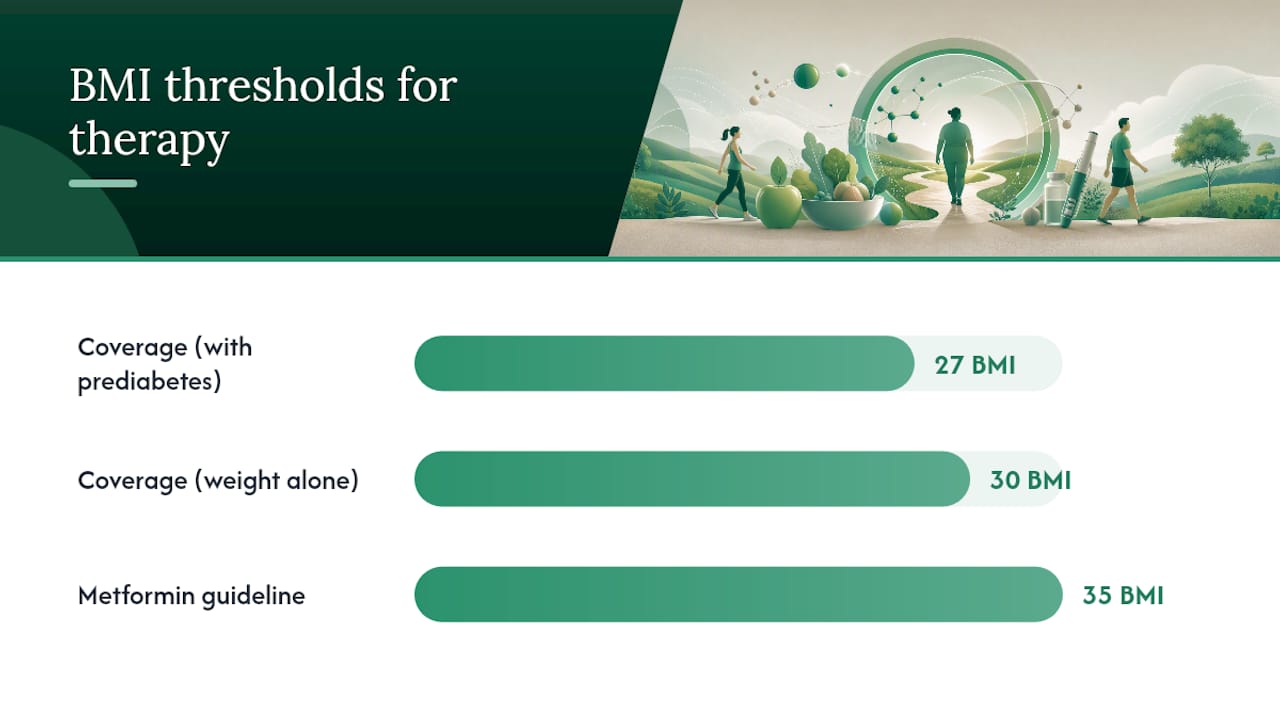
- Chronic weight management. Wegovy (semaglutide) and Zepbound (tirzepatide) are approved for weight management in adults with a BMI of 30 or higher, or a BMI of 27 or higher with at least one weight-related health condition. Prediabetes itself commonly qualifies as that comorbidity, which is the practical door through which many prediabetes patients access these drugs.
- Off-label prediabetes prescribing. Some clinicians prescribe a GLP-1 for prediabetes management outside either labeled indication, based on the trial evidence, when a patient does not meet the weight-management BMI threshold but has strong risk factors. This route is legal and reasonably common in practice, but it typically means paying out of pocket since insurers rarely cover off-label use.
Insurance behavior follows the labels closely. Most commercial plans require prior authorization for a weight-management GLP-1, and they want documentation of BMI, a related comorbidity like prediabetes, and often proof of a supervised weight-loss attempt. Medicare has historically excluded coverage for weight-loss drugs specifically, though it can cover the same drug when prescribed and billed under a diabetes indication, which creates real confusion for patients caught in between. Manufacturer savings cards can reduce out-of-pocket costs for commercially insured patients but generally don’t apply to people on Medicare or Medicaid.
Who With Prediabetes Is Most Likely to Benefit?
Your lab numbers and body composition do a lot of the work in predicting whether GLP-1 therapy makes clinical sense for you. The American Diabetes Association defines prediabetes as an A1C between 5.7% and 6.4%, or a fasting glucose between 100 and 125 mg/dL, and recommends regular screening for adults with risk factors.
Weight and BMI matter almost as much as the glucose numbers themselves, mostly because they determine which door you can walk through for coverage. If your BMI is 30 or above, or 27 or above with prediabetes as the qualifying condition, you meet the FDA’s weight-management threshold for Wegovy or Zepbound, which is the most realistic path to insurance coverage. Additional risk flags that tend to strengthen the case for earlier pharmacologic intervention include:
- A history of gestational diabetes, which roughly doubles lifetime risk of developing type 2 diabetes.
- Being younger with a high BMI, since younger patients face more cumulative years of risk exposure.
- A strong family history of type 2 diabetes combined with elevated A1C.
- Polycystic ovary syndrome, which frequently overlaps with insulin resistance.
- Elevated HOMA-IR or fasting insulin, when that testing is available, signaling insulin resistance beyond what A1C alone shows.
Metformin remains the guideline-recommended pharmacologic option for diabetes prevention in specific high-risk groups, particularly adults age 25 to 59 with a BMI of 35 or higher, a history of gestational diabetes, or rising A1C despite lifestyle efforts. GLP-1 receptor agonists are generally considered adjuncts to that framework rather than a first-line replacement, reserved for patients who also meet weight-management criteria or who haven’t achieved enough improvement through metformin and lifestyle change alone. If you’re building out your day-to-day approach alongside medication, a structured eating pattern that supports both weight loss and blood sugar control tends to produce better combined results than medication used in isolation.
How Do You Get GLP-1 Medication and What Does It Cost?
Three main routes lead to a GLP-1 prescription: your primary care provider, an endocrinologist or obesity medicine specialist, or a telehealth program built specifically around metabolic and weight care. Each has tradeoffs worth knowing before you pick one.
- Primary care. Often the fastest entry point if you already have a relationship and recent labs, but appointment availability and comfort prescribing GLP-1s vary widely by practice.
- Specialist referral. Endocrinologists and obesity medicine physicians tend to have deeper experience with dose titration and side effect management, though wait times for a first appointment can run weeks to months in many areas.
- Telehealth programs. These have become a common access point precisely because they streamline the intake, provider assessment, and prescription process into a single online workflow, often with faster turnaround than an in-person specialist visit.
Whichever route you choose, insurers typically request the same core documentation: your current BMI, A1C or fasting glucose results, and a note on any related comorbidity such as prediabetes, hypertension, or sleep apnea. Prior authorization can take anywhere from a few days to several weeks depending on the plan, and denials are common enough that having your labs organized in advance meaningfully speeds up the process.
Cash-pay costs vary by drug, dose, and pharmacy, but consumers should expect the list price for brand-name semaglutide or tirzepatide to run several hundred dollars or more per month without insurance coverage. Manufacturer savings programs can lower that for eligible commercially insured patients, though Medicare and Medicaid patients generally can’t use them. Telehealth-based semaglutide programs, including compounded or generic-formulation options, have become a common lower-cost alternative to brand-name list prices for patients paying out of pocket, though quality and sourcing vary by provider and deserve scrutiny before you commit.
What Should You Ask Your Doctor About GLP-1s?
Walking into your appointment with the right information saves time and often speeds up a decision either way. Bring recent results for A1C, fasting glucose, a lipid panel, and liver function tests, since GLP-1s are processed differently in people with liver issues. A fasting insulin test is optional but useful if you and your provider want to calculate HOMA-IR and get a clearer picture of insulin resistance beyond A1C alone. Have your current weight, height, and blood pressure ready too, since BMI often determines your coverage pathway.
A short list of direct questions gets you further than an open-ended conversation:
- Do my current labs and BMI make me eligible for a weight-management-labeled GLP-1, or would this be off-label?
- What normoglycemia or weight-loss outcome is realistic for me specifically, based on my starting numbers?
- What’s the plan if I develop significant nausea or another side effect during dose escalation?
- What documentation does my insurance need, and what’s the backup plan if prior authorization is denied?
- If I hit my goals, what’s the plan for tapering or stopping, and how will we track whether my glucose numbers hold?
Most GLP-1 protocols for prediabetes call for A1C and fasting glucose rechecks every three months initially, then every six months once you’ve stabilized. Ask specifically what happens if you stop the medication: some patients maintain gains through sustained weight loss and lifestyle habits, while others see glucose numbers drift back up, and knowing which pattern is more likely for your situation helps you plan rather than react.
Pro Tip: Ask your provider to write your BMI and comorbidity documentation clearly in your chart notes before you submit for prior authorization. Vague documentation is one of the most common reasons insurers deny GLP-1 coverage requests.
How Legacymeds Approaches GLP-1 Therapy for Prediabetes
Legacymeds runs an online prescription weight-loss program built around GLP-1 medications, including semaglutide and tirzepatide, paired with a provider assessment and ongoing coaching rather than a one-time prescription and no follow-up.
The typical fit for this kind of program is a patient who meets weight-management criteria, whether through BMI alone or BMI paired with a comorbidity like prediabetes, and who wants ongoing support rather than a single prescription handoff. That includes people who’ve tried diet and exercise changes without durable results, people newly diagnosed with prediabetes who want to act before A1C climbs further, and people who’ve discussed GLP-1 therapy with a previous provider but found the coordination and follow-up lacking.
What differentiates the model isn’t the medication itself, since semaglutide and tirzepatide are the same molecules regardless of who prescribes them. It’s the structure around the prescription:
- Provider visits are free and unlimited, not billed per appointment.
- Coaching support continues throughout treatment rather than ending after the first prescription.
- No membership fee or insurance requirement stands between a patient and starting therapy.
None of that replaces individualized clinical judgment. Whether GLP-1 therapy is right for your specific labs, weight, and health history is a decision that still requires a real clinical assessment, which is exactly what the intake process is designed to determine before any prescription gets written.
What the Data Actually Tells You to Prioritize
The evidence on GLP-1s and prediabetes is stronger than most patients realize and more conditional than most marketing suggests. A risk ratio of 1.76 for reversion and 0.28 for progression are genuinely large effects for a chronic disease intervention, on par with or exceeding what intensive lifestyle programs alone typically achieve. But the conventional advice, “just diet and exercise more,” undersells how much harder that is to sustain than a weekly injection, while GLP-1 marketing tends to undersell how much of the benefit depends on staying on the drug.
Prioritize eligibility clarity first, before anything else. Know your A1C, your BMI, and whether you have a qualifying comorbidity, because that determines your entire coverage and cost picture more than the drug’s efficacy does. Prioritize a monitoring and discontinuation plan second, since the durability question is unresolved and you don’t want to be caught off guard if you stop the medication. Lifestyle change isn’t a consolation prize here; it’s the mechanism that protects your gains once the prescription ends.
— Bryan
Ready to Talk to a Provider About GLP-1 Options?
If your labs put you in the prediabetes range and your BMI meets weight-management criteria, the practical next step is a real provider conversation, not more research. Legacymeds runs that conversation entirely online, without the membership fees or insurance requirements that slow down access at many traditional clinics.
The process runs in a straightforward sequence: you complete an intake with your health history and recent labs if you have them, a licensed provider reviews your case in a free visit, and if you’re a fit, your prescription ships directly to you. From there, coaching support continues for as long as you’re in the program, at no extra membership cost. A semaglutide program is available starting from $159 per month, along with GLP-1 injection and tablet options starting from $159 and $249 respectively, plus other pathways for patients who qualify. Start your intake at Legacymeds to find out which option fits your labs and your budget.
Sources
- Efficacy and safety of glucagon-like peptide-1 receptor agonists on prediabetes: a systematic review and meta-analysis of randomized controlled trials
- Changes in glucose metabolism and glycemic status with once-weekly subcutaneous semaglutide 2.4 mg among participants with prediabetes in the STEP program
This article is general information, not a substitute for advice from a qualified doctor. Consult a qualified healthcare professional about your own circumstances before acting on anything here.
FAQ
Can You Take Semaglutide if You’re Prediabetic?
Yes, though semaglutide isn’t FDA-approved specifically for prediabetes. Most people access it through the weight-management indication (Wegovy) if their BMI qualifies, or through off-label prescribing based on the strong trial evidence showing improved reversion rates to normal blood sugar.
Do I Qualify for Ozempic if I’m Prediabetic?
Ozempic is FDA-approved for type 2 diabetes, not prediabetes, so most insurers won’t cover it for prediabetes alone. If your BMI is 27 or higher with prediabetes as a comorbidity, Wegovy (the higher-dose weight-management version of semaglutide) is typically the more accessible and appropriately labeled option.
How Do You Reverse Prediabetes in Three Months?
Three months is a short window, but the STEP program showed meaningful improvements in HbA1c, fasting glucose, and weight beginning within the first two to three months of semaglutide treatment, with the largest gains building through week 68. Combining structured nutrition changes, regular activity, and a clinician-guided GLP-1 plan gives you the best realistic shot at faster movement, though full reversion for most people takes longer than 12 weeks.
What A1C Qualifies for GLP-1 Therapy?
There’s no single A1C cutoff that automatically qualifies someone for a GLP-1, since prescribing depends more on BMI and comorbidity status than A1C alone. The American Diabetes Association defines prediabetes as an A1C of 5.7% to 6.4%, and people at the higher end of that range are generally considered stronger candidates for pharmacologic intervention alongside lifestyle change.
How Much Does GLP-1 Treatment Cost Through Legacymeds?
Legacymeds offers a semaglutide program starting from $159 per month, GLP-1 injections starting from $159, and GLP-1 tablets starting from $249, all listed on the Legacymeds site. Wegovy and Zepbound pricing depends on individual eligibility and isn’t published, but current details are available directly through the intake process.